Muscle · AI-derived
Tesla Optimus Hand Durability and Magnet Supply Issues Slow Ramp
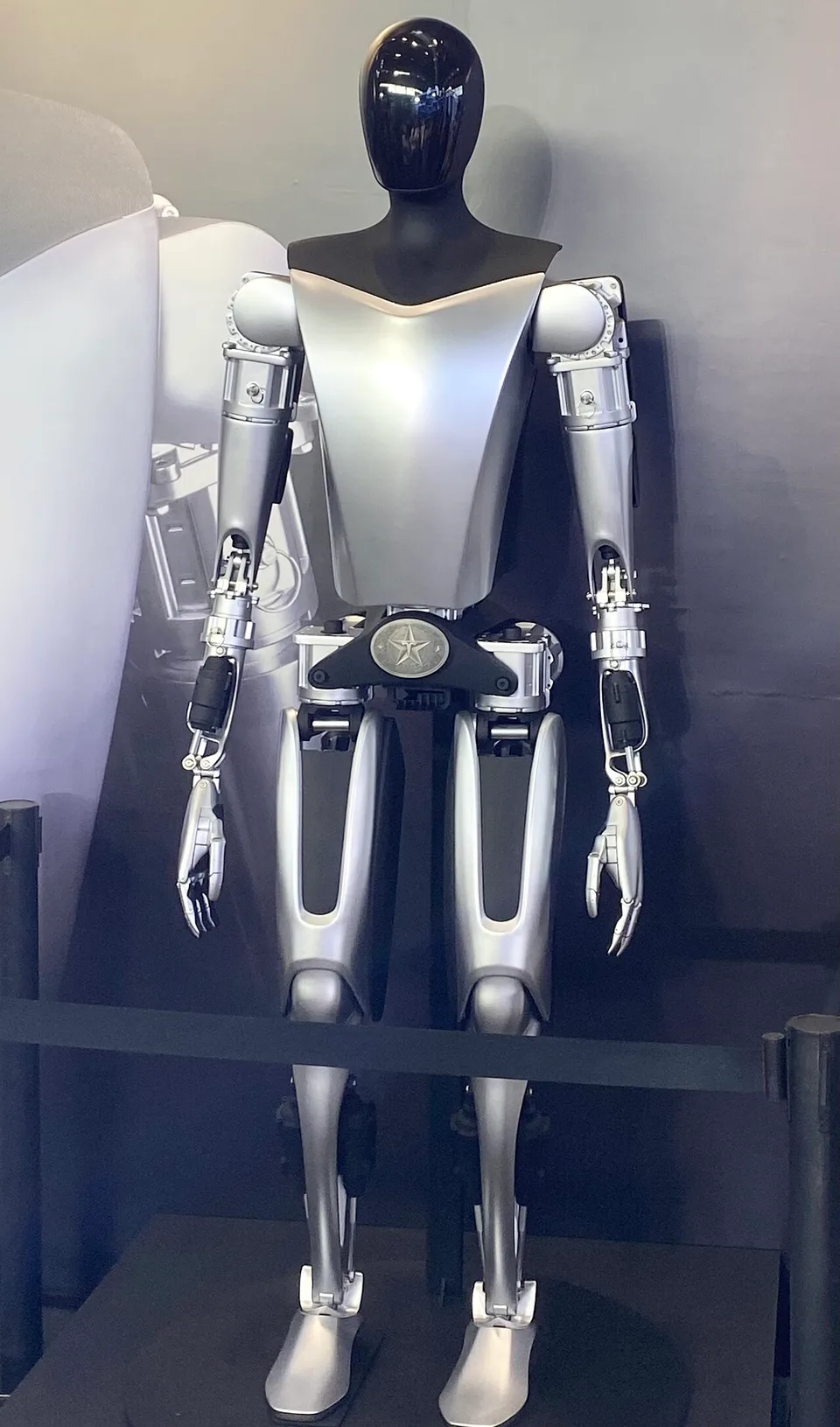
Elon Musk addressed ongoing Tesla Optimus hand engineering problems during an October 10 interview at the X Takeover event. China's 2025 rare-earth magnet export restrictions delayed the program by two to three months and left some robots without arms.
ZeroGantry analysis
Tesla's decision to prioritize volume output while hand reliability remains unresolved will increase per-unit service costs in early fleets. With Fremont already at several hundred units weekly and a 1,000-unit target by year-end, operators should budget for frequent sensor-glove swaps rather than assuming automotive-like durability. Domestic magnet sourcing is now a gating item; any further export friction in late 2026 could repeat the 2025 two-to-three-month setback. Ship only after the 2027 glove revision demonstrates cycle-life gains in real factory data.
Optimus Hand Design Faces Extreme Durability Demands
At the X Takeover event held October 10 at Giga Texas, Elon Musk highlighted the persistent engineering hurdles in the Optimus dexterous hand. He described the need for fine motor skills that combine precision and force simultaneously, citing the example of driving a small self-tapping screw into wood. Musk stated that no existing robot hand demonstration achieves this reliably, calling the fine motor control requirements "shockingly difficult."
The hand must replicate human-like compliance while surviving industrial cycles. Touch sensors positioned near the surface risk damage during repeated contact, yet they must also accommodate elastic deformation of the fingers without failing after only a few thousand cycles. Musk noted that human skin and tissue self-repair, whereas robot components require either extreme longevity or modular replacement. Replaceable finger coverings that maintain grip on varied surfaces, such as a tight pickle jar lid, add another layer of complexity to the design.
These requirements directly impact actuator selection and sensor integration. High-torque-density motors in the forearm drive the fingers through intricate tendon-like mechanisms, but any increase in sensor mass or wiring reduces available torque margin. Thermal limits become critical during sustained high-force tasks, as heat buildup in compact actuators can degrade sensor accuracy and motor performance over time. Encoders must deliver sub-millimeter precision across thousands of cycles without drift, a specification that pushes current commercial offerings to their limits.
Rare-Earth Magnet Restrictions Create Supply Chain Gaps
Musk disclosed that export restrictions imposed by China in 2025 on rare-earth magnets used in electric motors delayed the Optimus program by two to three months. During this period, Tesla produced robots without functional arms because the neodymium-based permanent magnets essential for compact, high-torque actuators were unavailable. The setback underscored the vulnerability of relying on foreign suppliers for components where volume and size constraints demand the highest energy-density magnets.
Domestic production of these magnets remains limited in the United States. Tesla has publicly emphasized the need to localize the entire supply chain so that future interruptions do not halt assembly. The magnets enable the high torque density required for the 20+ degrees of freedom in each arm while fitting within the slim forearm profile. Any substitution with lower-performance alternatives would force design compromises in speed, payload, or battery runtime.
Production data illustrates the ongoing effects. Tesla reached several hundred Optimus units per week at the Fremont factory by August 2026, up from dozens per week in the second quarter. Internal targets call for more than 1,000 units weekly by the end of 2026, yet the initial ramp stays deliberately slow. Unlike automotive manufacturing, no mature supply base exists for the specialized robot-grade actuators, harmonic drives, and precision sensors needed at scale.
Sensor Compliance and Cycle Life Tradeoffs
Touch sensor durability represents one of the most under-appreciated bottlenecks in humanoid hardware. Materials that can repeatedly deform must also transmit reliable signals without fatigue cracking. Placing sensors deeper within the finger structure protects them but reduces sensitivity and increases latency in force-feedback loops. This latency directly affects closed-loop control of the actuators during delicate manipulation tasks.
Compliance in the fingers requires careful balancing of stiffness and flexibility. Overly stiff designs transmit excessive force and risk damaging objects or the hand itself. Softer coverings improve safety and grip but accelerate wear on both the outer layer and the embedded sensors. Tesla's reported plan for a replaceable "sensing glove" in 2027 models aims to decouple sensor replacement from full hand swaps, reducing downtime and cost per unit.
Thermal management compounds these issues. Compact motors operating near peak torque generate heat that can alter sensor calibration and reduce magnet performance. Without adequate cooling paths or advanced materials, sustained operation in factory environments risks derating or premature failure. Encoders must maintain accuracy across temperature swings while surviving the mechanical shock of repeated impacts.
Production Ramp Realities and Fleet Implications
Weekly output in the hundreds at Fremont demonstrates progress, yet the hand assembly station remains a manual bottleneck. Each hand and forearm contains over 100 screws and precision components that current fixtures struggle to align consistently. Rework rates stay elevated because tolerances are tighter than those required for automotive parts. These manufacturing realities directly constrain the rate at which Tesla can deploy robots for useful work.
The magnet supply episode and hand durability challenges suggest that early commercial fleets will operate with higher maintenance overhead than initially projected. Operators should plan for frequent finger-cover and sensor-glove replacements until material science advances. Domestic magnet production capacity will need to scale in parallel with robot volume if Tesla intends to meet its long-term targets without recurring delays.
Competing humanoid programs face similar actuator and sensor constraints, but Tesla's vertical integration of software and hardware may allow faster iteration once the physical bottlenecks are resolved. The emphasis on replaceable modules indicates a pragmatic approach to field serviceability that other designs have yet to match at comparable scale.
Outlook for Hardware Maturation
Musk's comments confirm that the Optimus hand remains the primary limiter on both performance and production velocity. Achieving reliable, high-cycle-life touch sensing w
Sources
Who services this hardware
Topics
Manufacturers
Related articles
- Boston Dynamics Atlas GR3 Hand: 13-DOF Specs for Tool Use — Boston Dynamics unveiled the GR3 hand for its electric Atlas humanoid on October 1, 2026. The four-fingered design delivers 13 degrees of freedom with direct ac
- Unitree G1+ Adds 2-DOF Neck and 110% Torque Boost at $15K — Unitree launched the G1+ humanoid on September 14, 2026, with a movable neck, stronger and cooler motors, and new sensors. The base model lists at about $15,000
- UBTECH FAW-Volkswagen Humanoid Logistics Trials Advance 2026 — UBTECH Robotics and FAW-Volkswagen signed a strategic agreement on October 8, 2026, to develop and test humanoid robots for factory logistics. The work builds o
- Robotics Week in Review: Oct 2–Oct 9, 2026 — Humanoid pilots expanded in factories while AI software leaps and maintenance realities surfaced. Leadership changes and regulatory scrutiny rounded out a week