Brain · AI-derived
Tesla Optimus 24/7 Data Collection with 24 lb Sensor Suits
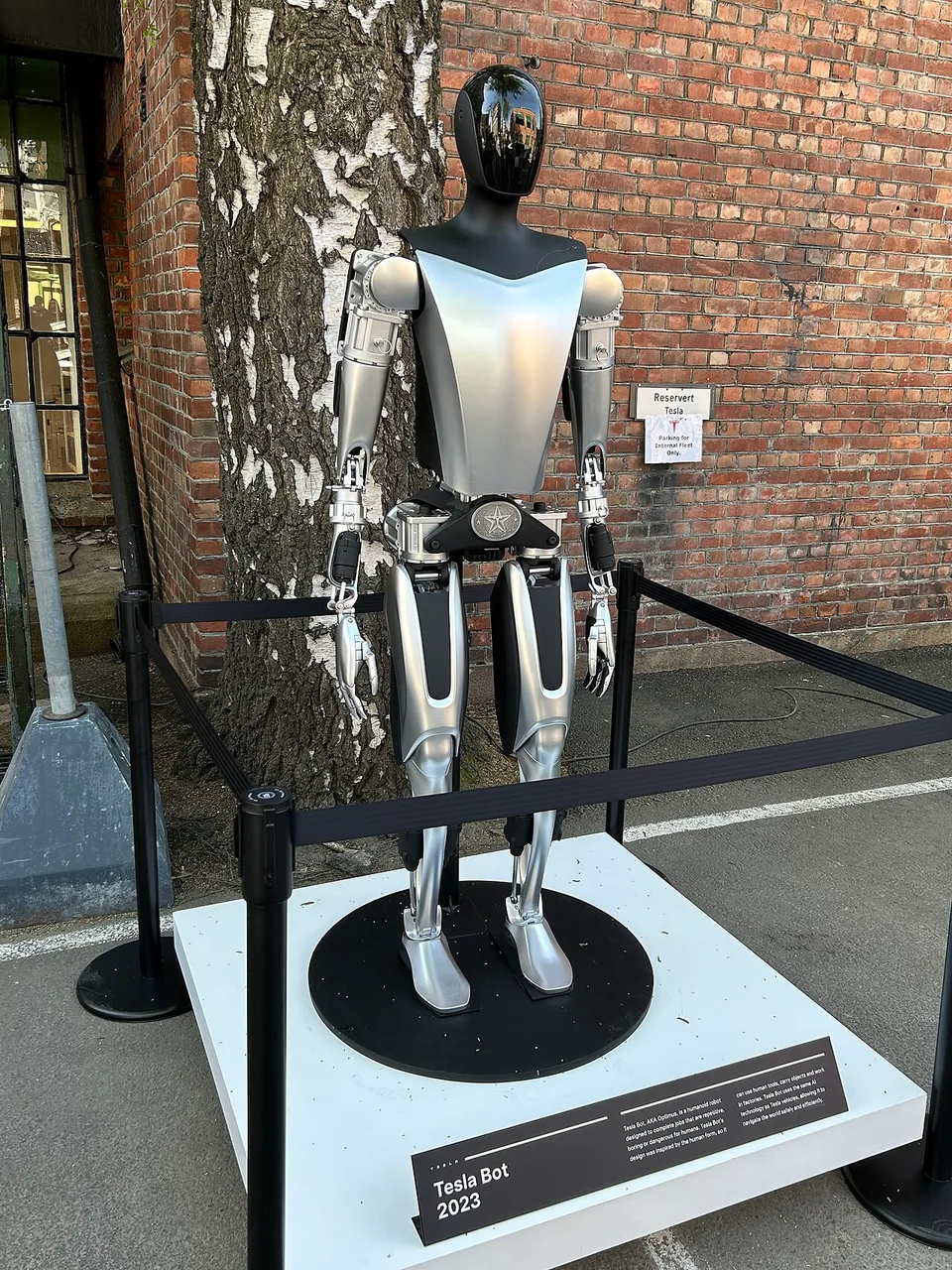
Tesla runs continuous data collection at Palo Alto and Texas sites using dedicated teams in 24 lb suits with up to 40 cameras and 3D sensors. The effort has operated for months across three shifts to generate training data for Optimus humanoids far exceeding vehicle-scale capture.
ZeroGantry analysis
The 24 lb suits with 40-camera arrays generate multimodal streams that directly address torque-mapping gaps in current VLA models, yet the controlled operator pool risks under-representing real variability. At 500k+ hours and growing, Tesla’s collection rate could cut required demonstration hours per new task by 3-5x versus competitors relying on smaller teleop fleets, but sustained 24/7 staffing raises per-hour data costs above $150 once benefits and equipment amortization are included. Ship if scaling yields measurable policy gains by Q1 2027; watch closely otherwise.
Tesla Optimus Data Collection Scales with Dedicated Sensor Suits
Tesla has maintained 24/7 data collection operations for Optimus training at its Palo Alto R&D facility and Texas sites for several months as of late October 2026. Workers and specialized squads wear 24 lb motion-capture suits equipped with as many as 40 cameras plus grids of 3D sensors to record detailed human movements and environmental interactions. Multiple configurations of the suits allow capture of varied tasks, with separate teams handling household activities such as sandwich preparation and industrial jobs including HVAC component installation inside vehicles. The program runs across three shifts daily, producing volumes of demonstration data described as orders of magnitude greater than the nine-camera setup on Tesla vehicles.
Job postings for Data Collection Operator roles in Palo Alto and Austin confirm requirements for operators to wear motion-capture equipment and VR headsets while performing repetitive actions for extended periods. These positions specify shifts covering early morning through late night, with operators walking predetermined routes and manipulating objects under controlled conditions. Reports indicate the effort began ramping months before recent public discussion, contradicting earlier press timelines that suggested a more recent start. The collected footage and sensor streams feed directly into training pipelines aimed at improving imitation learning and policy generalization for the humanoid platform.
Scale of Training Data and Comparison to Vehicle Fleet
Tesla has accumulated more than 500,000 hours of Optimus training video and aims to double that total by year-end 2026. The sensor suits generate richer multimodal streams than standard vehicle data pipelines because the 3D sensor grids capture precise joint positions, object interactions, and force-relevant spatial information at high density. Dedicated operators replace production-line workers who previously resisted wearing capture equipment due to concerns about eventual job displacement. This shift to specialized teams in multiple states, including hubs in Colorado, Arizona, and Florida, allows consistent data quality without relying on reluctant factory staff.
The data volume supports a flywheel effect where increased collection accelerates model improvement, which in turn enables more capable robots that can gather additional real-world data in deployment. Separate squads focus on narrow domains: one set replicates domestic sequences while another records precise factory sequences such as part handling and tool use. This domain-specific approach addresses the narrow distribution of current training examples, a known bottleneck for zero-shot generalization in vision-language-action systems.
Neural Feedback Loops and Torque Mapping Implications
The dense camera arrays and 3D sensors on the 24 lb suits provide the raw material for training vision-language-action transformers that map visual observations to motor commands. High-resolution 3D fields help models learn torque mapping by associating observed human joint torques and contact forces with visual and proprioceptive cues. Reinforcement learning stages can then refine these policies using simulated physics that incorporate the recorded interaction dynamics. The continuous shift coverage ensures temporal diversity in lighting, fatigue states, and task variations that improve robustness of neural feedback loops during long-horizon manipulation.
Compared with earlier teleoperation-only approaches, the multi-camera helmet and suit configurations capture first-person and third-person views simultaneously. This multi-view data reduces ambiguity in hand-object interactions that single-view recordings often leave unresolved. Tesla’s reported plan to add replaceable sensing gloves on future Optimus hands suggests the training data will also inform tactile feedback integration, closing the loop between visual demonstration and low-level torque control.
Operational and Cost Considerations
Maintaining 24/7 squads requires significant staffing and equipment overhead. Job listings list hourly compensation between roughly $25 and $48, with physical demands including walking seven or more hours while carrying up to 30 lb of gear. The 24 lb suit weight itself adds ergonomic load that limits operator endurance and necessitates rotation schedules. Scaling this human-in-the-loop collection to support fleet-wide deployment could require hundreds of dedicated collectors, raising questions about long-term cost per hour of usable training data.
Tesla has already shifted annotation personnel from its vehicle autonomy teams to support Optimus. The same data flywheel logic that propelled FSD development now applies to humanoid control, but the physical nature of the tasks introduces new bottlenecks around operator availability and task diversity. Early production robots remain largely confined to internal testing and data collection roles rather than unsupervised factory deployment, underscoring that the current data scale has not yet yielded broad generalization.
Limitations in Current Capture Methods
Despite the intensity of the program, the captured demonstrations remain scripted and performed by trained operators rather than spontaneous real-world activity. This controlled setting may limit exposure to edge cases such as unexpected object slippage or variable lighting that field-deployed robots will encounter. The reliance on motion-capture suits also introduces potential distribution shift when the final Optimus hardware differs in mass distribution or sensor placement from the human demonstrator.
Unresolved questions include how quickly the collected data translates into policy improvements that reduce the need for further human demonstration. If torque-mapping accuracy plateaus, additional modalities such as force-torque sensors on the robot itself may be required to supplement visual
Watch
Sources
- https://x.com/Scobleizer/status/2115275386963755067
- https://www.ziprecruiter.com/c/Tesla/Job/Data-Collection-Operator%2C-Optimus/-in-Palo-Alto%2CCA?jid=c1da279fbd7fae41
- https://robovations.com/analysis/tesla-pulled-optimus-training-off-the-assembly-line-after-workers-balked-at-teaching-their-replacements/
- https://electrek.co/2026/09/25/tesla-optimus-production-ramp-hands-ai-generalization-problems/
Who services this hardware
Topics
Manufacturers
Related articles
- NVIDIA GR00T 1.7 and Agile ONE SN Launch at GTC Berlin — NVIDIA released GR00T 1.7, a 3-billion-parameter VLA model, and partnered with Agile Robots on the Agile ONE SN humanoid reference platform at GTC Berlin on Oct
- NVIDIA Eyes $1B Figure AI Stake at $38B Valuation — NVIDIA is in talks to invest another $1 billion in Figure AI at a roughly $38 billion pre-money valuation. The move would expand NVIDIA's existing stake and sup
- Unitree G1 Humanoids Shine on AGT Finale with Synchronized Dance — Eight Unitree G1 humanoids joined dancer Wu Yufei for a water-sleeve dance routine on the America's Got Talent Season 21 finale on September 22, 2026. The perfo
- Google DeepMind Gemini Robotics 2 Scales via Software Partnerships — Google DeepMind released Gemini Robotics 2 on July 30, 2026, delivering vision-language-action models for whole-body humanoid control, dexterity, and multi-robo