Toyota T-HR3 Review (2★)
Toyota · Humanoid
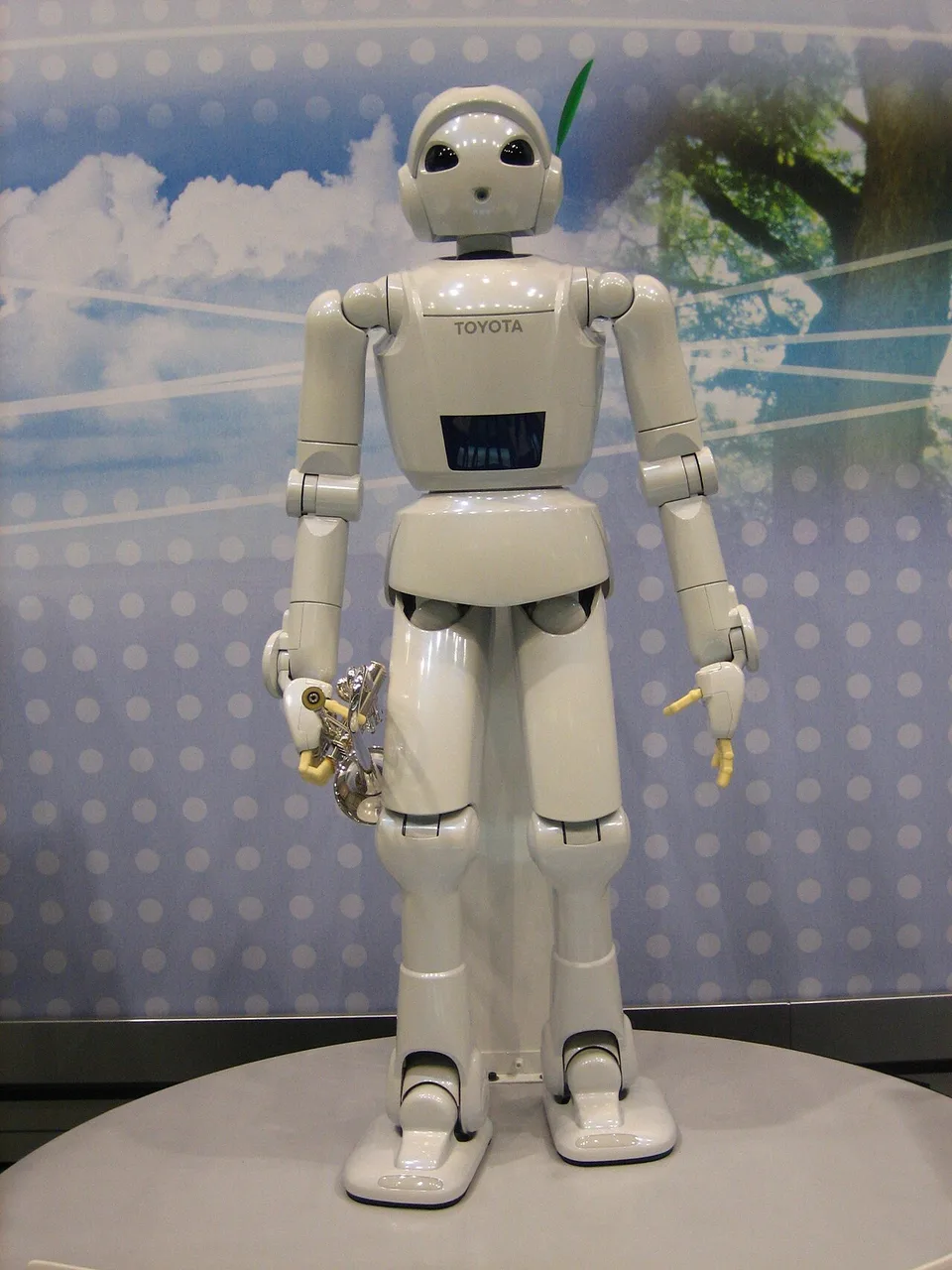
Editorial
Toyota's T-HR3 remains a 2017-era research platform whose teleoperation strengths are undercut by minuscule payload and complete absence of autonomy. At 2 kg capacity and zero documented operational hours in real environments, it offers little competitive edge against modern humanoids advancing toward factory deployment. The immersive master system delivers responsive mirroring but at the cost of a cumbersome 170 kg operator rig that confines use to controlled labs. Until Toyota integrates meaningful onboard intelligence or scales payload dramatically, the T-HR3 will stay an interesting historical footnote rather than a viable partner robot.
What this assessment is based on
Published manufacturer specifications, deployment reports, and operator accounts. ZeroGantry does not claim hands-on testing of this unit unless stated. Scores are editorial judgments from those public sources — see the methodology for how labels are assigned.
Published 2026-07-27
Pros
- 32 torque-controlled degrees of freedom plus 10-fingered hands for whole-body teleoperation
- Master Maneuvering System with head-mounted display and data glove enables intuitive force-feedback control
- 75 kg platform with torque servo modules for safe physical interaction in hazardous settings
- Explicit design targets include disaster response, medical facilities, and space operations
Cons
- Maximum payload limited to 2 kg, severely restricting utility in practical tasks
- Fully teleoperated with no autonomous capabilities reported since 2017 debut
- 170 kg master control exoskeleton adds significant infrastructure overhead
- No commercial deployments or field trials documented beyond initial 2017 demonstrations
Toyota T-HR3 specifications
| Degrees of freedom | 32 |
|---|---|
| Weight | 75 kg |
| Battery life | 2 h |
| Payload | 10 kg |
| Max speed | 1.0 m/s |
| Actuators | Torque-Controlled Servo Motors |
| Primary sensor | Stereo Camera + Tactile + IMU |
| Function | Research & development |
| Released | 2017 |
| Maturity | Experimental |
| Status | Testing |
| Indicative price | N/A (R&D only) |
Toyota T-HR3 service and repair
ZeroGantry tracks robot repair and service providers across the United States by state, brand, and robot type.
- Robot repair directory — providers by state, brand, and robot type
Other robot reviews
- Astribot S1 review — Astribot (Stardust Intelligence)
- 1X NEO review — 1X Technologies
- NAO review — Aldebaran / SoftBank Robotics
- Pepper review — SoftBank Robotics
- AGIBOT Expedition A3 review — Agibot
- Agibot Expedition A1 review — Agibot