temi Review (3★)
temi Inc. · Specialty
Editorial
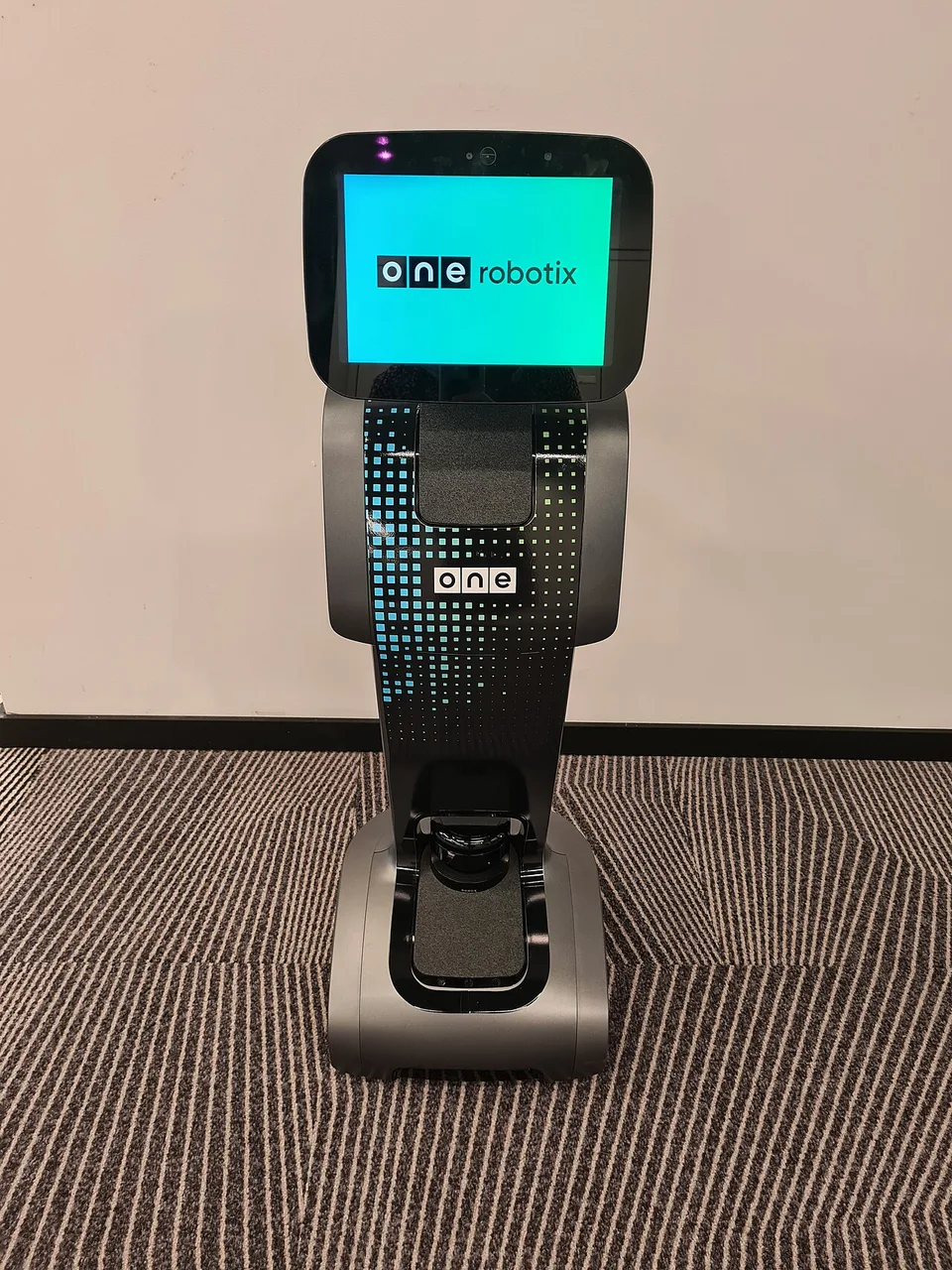
temi remains a competent telepresence and companion platform whose 5 cm localization and 1 m/s cruise speed suffice for uncluttered residential and small-office environments, yet its 3 kg payload ceiling and 8-hour duty cycle expose it as underpowered for anything beyond light entertainment or video-calling duties. The Android SDK and 13 MP camera deliver genuine extensibility that schools and early adopters have exploited for custom apps, but the absence of meaningful hardware updates since the V3 refresh leaves it trailing newer platforms on compute density and multi-robot coordination. At the $1,000 reference price it offers accessible entry-level autonomy, but buyers expecting robust logistics or 24/7 uptime will find the 12 kg chassis and indoor-only navigation a hard constraint. Overall, temi earns a niche role as a mobile Alexa rather than a serious productivity tool.
What this assessment is based on
Published manufacturer specifications, deployment reports, and operator accounts. ZeroGantry does not claim hands-on testing of this unit unless stated. Scores are editorial judgments from those public sources — see the methodology for how labels are assigned.
Published 2026-07-20
Pros
- 8-hour lithium-ion battery with autonomous docking enables full-day indoor operation without manual intervention
- 1 m/s top speed with zero-turn radius and 5 cm navigation accuracy via 360° LiDAR + dual depth cameras supports reliable follow-me and preset routing
- Open Android 11 SDK with full app deployment and third-party integration allows custom telepresence, smart-home, and educational applications
- 13 MP autofocus camera with 1080p@30fps video and far-field mic array delivers clear telepresence and voice interaction in typical home/office acoustics
Cons
- Maximum 3 kg tray payload and screen-only base design restricts utility to light transport or display tasks only
- 3 DoF mobility (differential drive + single-axis screen tilt) limits obstacle climbing and multi-surface adaptability beyond flat indoor floors
- 8-hour runtime requires periodic return to dock; no hot-swap or extended-battery options reported in current V3 models
- Consumer-grade pricing around $1,000–$1,500 with limited enterprise fleet management features compared to dedicated service robots
temi specifications
| Availability | Shipping — Sold commercially as a service and telepresence robot. (as of 2026-09-05) |
|---|---|
| Degrees of freedom | 3 |
| Weight | 8.5 kg |
| Battery life | 8 h |
| Payload | N/A (screen-based) |
| Max speed | 1.0 m/s |
| Actuators | Electric Stepper Motors |
| Primary sensor | 360-degree LiDAR + RGB Camera + 4x Microphones |
| Function | Home assistance |
| Released | 2018 |
| Maturity | Production |
| Status | Active |
| Indicative price | $1,000 |
temi service and repair
ZeroGantry tracks robot repair and service providers across the United States by state, brand, and robot type.
- Robot repair directory — providers by state, brand, and robot type
Other robot reviews
- Sony aibo (ERS-1000) review — Sony
- PARO review — AIST / PARO Robots
- Hyodol review — Hyodol Co.
- Astribot S1 review — Astribot (Stardust Intelligence)
- 1X NEO review — 1X Technologies
- NAO review — Aldebaran / SoftBank Robotics