TIAGo Pro Review (4★)
PAL Robotics · Mobile AMR
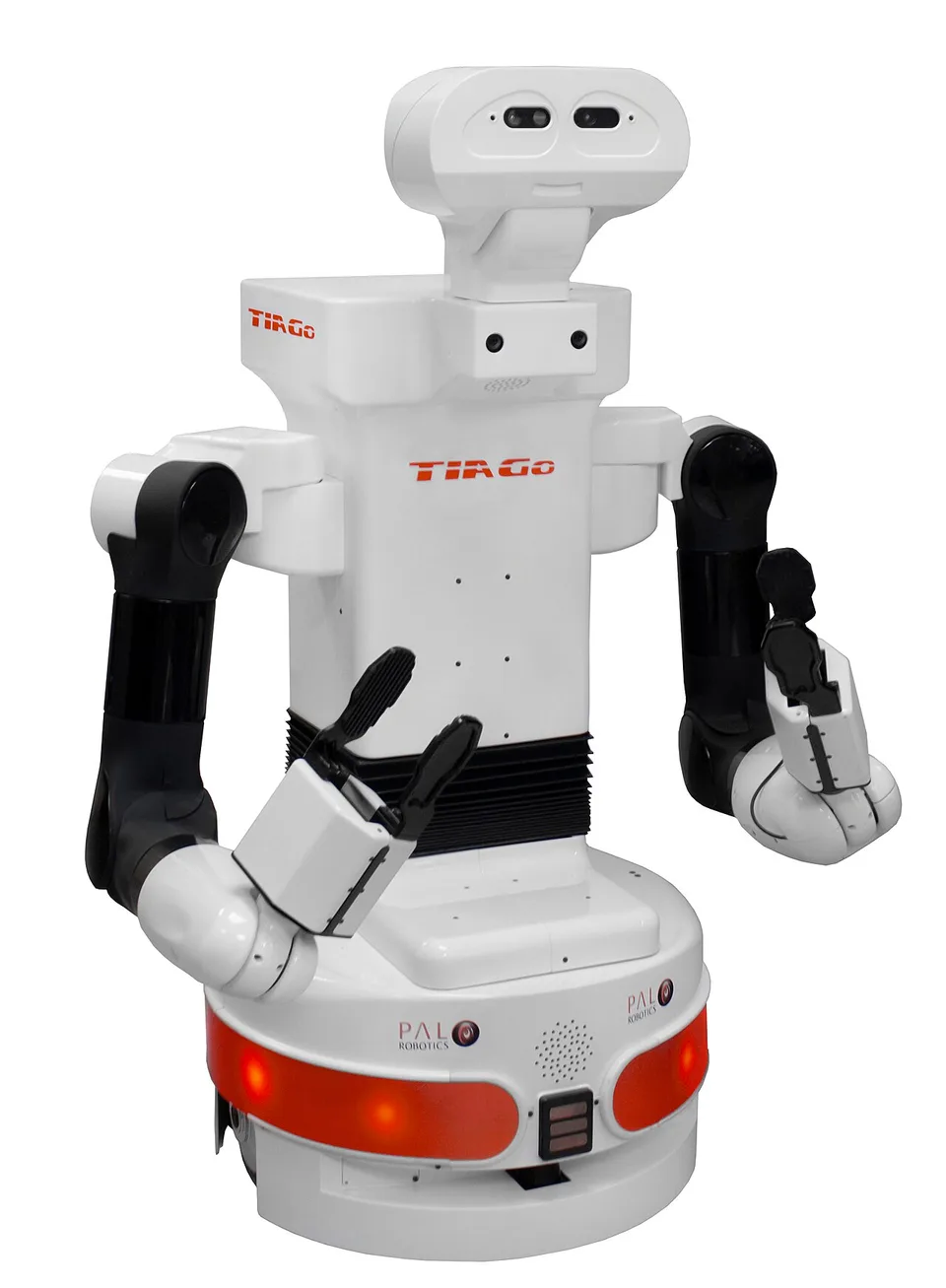
Editorial
The TIAGo Pro stands as a mature research workhorse whose series-elastic dual arms and ROS 2 architecture deliver reliable data for HRI and embodied AI studies, yet its 3 kg payload and modest 4-5 h runtime expose clear limits for anything beyond lab or light-service roles. European programs have validated the platform across hundreds of units, but the 1.1 m/s top speed and fixed 92 cm reach mean frequent repositioning in anything but compact domestic or healthcare testbeds. Safety brakes and torque sensing are genuine strengths for collaborative work, while the omnidirectional base and quick tool changers add practical flexibility. At research-grade pricing it earns its place on grant-funded benches; outside that niche the low payload and battery constraints make it a poor fit for production deployment.
What this assessment is based on
Published manufacturer specifications, deployment reports, and operator accounts. ZeroGantry does not claim hands-on testing of this unit unless stated. Scores are editorial judgments from those public sources — see the methodology for how labels are assigned.
Published 2026-08-10
Pros
- Dual 7-DoF series-elastic arms with torque sensing on every actuator and 3 kg payload each enable safe, compliant human-robot interaction.
- Omnidirectional Mecanum base with 2x 10 m 360° LiDAR delivers up to 1.1 m/s navigation in indoor environments.
- ROS 2 stack with MoveIt2, ros2_control, and 1 kHz EtherCAT bus supports rapid research iteration and real-time control.
- TIAGo family has 200+ global deployments in European HRI and manipulation research programs.
Cons
- 3 kg payload per arm (excluding end-effector) severely limits heavy-object or industrial tasks.
- 4-5 h battery autonomy (one pack) restricts continuous operation without docking or dual-battery upgrade.
- 92 cm vertical and 236 cm horizontal reach per arm constrains workspace coverage in larger setups.
- Contact-only research pricing and configuration options create high barriers for non-academic users.
TIAGo Pro specifications
| Degrees of freedom | 14 |
|---|---|
| Weight | 60 kg |
| Battery life | 5 h |
| Payload | 10 kg per arm |
| Max speed | 1.1 m/s |
| Actuators | Series Elastic Actuators |
| Primary sensor | RGB-D Camera + LiDAR + Force/Torque |
| Function | Research & development |
| Released | 2025 |
| Maturity | Production |
| Status | Active |
| Indicative price | Research pricing (contact) |
TIAGo Pro service and repair
ZeroGantry tracks robot repair and service providers across the United States by state, brand, and robot type.
- Robot repair directory — providers by state, brand, and robot type
Other robot reviews
- Galbot G1 review — Galbot
- Reachy review — Pollen Robotics
- Astribot S1 review — Astribot (Stardust Intelligence)
- 1X NEO review — 1X Technologies
- Sony aibo (ERS-1000) review — Sony
- NAO review — Aldebaran / SoftBank Robotics