Pepper Review (2★)
SoftBank Robotics · Humanoid
Editorial
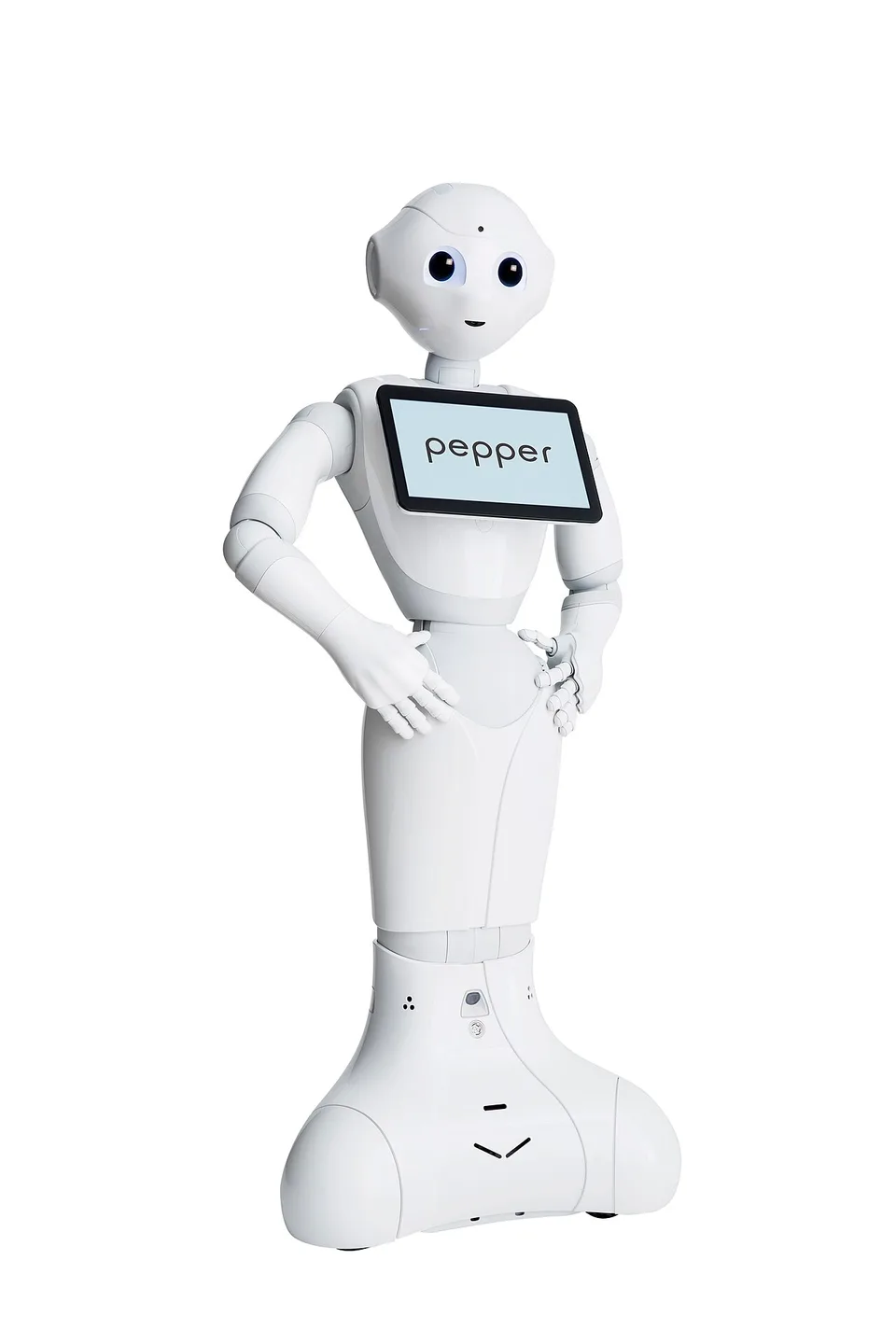
Pepper's 20-DoF expressive upper body and emotion-aware perception delivered measurable engagement lifts in early retail pilots, yet its 3 km/h wheeled locomotion and 2021 production shutdown expose fundamental mismatches with enterprise needs. The 12-hour battery and $1,500–$2,000 entry pricing once made it accessible, but high subscription overhead and inability to handle physical tasks rendered it obsolete against newer platforms. Real-world 2025 trials confirm persistent gaps in conversational reliability despite its sensor suite. At this stage Pepper functions best as a static kiosk replacement rather than a dynamic service agent. Senior engineers should view it as a cautionary case study in over-promising sociable robotics rather than a current procurement option.
What this assessment is based on
Published manufacturer specifications, deployment reports, and operator accounts. ZeroGantry does not claim hands-on testing of this unit unless stated. Scores are editorial judgments from those public sources — see the methodology for how labels are assigned.
Published 2026-08-24
Pros
- 20 DoF across head, arms, and wheeled base enabling repeatable expressive gestures and tablet-based engagement in structured retail scenarios
- ~12-hour runtime from 795 Wh Li-ion battery supporting full-day deployments without frequent recharges
- Real-time face detection, emotion recognition via 2x 5MP cameras + 4 microphones, and multi-language speech synthesis for natural conversation
- 27,000 units produced with documented deployments in retail, hospitality, healthcare reception, and education across multiple continents
Cons
- Production halted by SoftBank in June 2021 after weak commercial adoption, leaving only secondary-market units available
- Wheeled omni-base limited to 3 km/h nominal speed with ~60 cm turning radius, restricting use to flat, indoor corridors only
- Zero payload capacity on arms; designed solely for gesturing, with no lifting or manipulation capability
- Outdated NAOqi software stack shows frequent failures in turn-taking and physical cue response during 2025 public trials
Pepper specifications
| Spec | Value | Status | Source |
|---|---|---|---|
| Degrees of freedom | Not published | — | |
| Indicative price | Not published | — |
Not yet verified against a maker source · Overall: Unverified
Other attributes (ZeroGantry classification, not maker-verified)
| Function | Social interaction |
|---|---|
| Released | 2014 |
| Maturity | Production |
| Operational status | Active |
How we verify specs: what the status badges mean
- Confirmed Read on the maker's own page, spec sheet, docs or press release as a stated value.
- Claimed Stated by the maker as a target, preliminary figure, “up to” value or performance claim.
- Estimated Derived by us or taken from a third party. Not maker data.
- Unverified No maker primary source checked yet. Treat as unconfirmed.
- Not published The maker does not publish this value.
Every Confirmed, Claimed or Estimated value links to its source and shows the date it was checked. A robot's overall badge reads Confirmed only when every published value is Confirmed, and Partly verified when they are mixed. Read the full methodology.
Pepper service and repair
ZeroGantry tracks robot repair and service providers across the United States by state, brand, and robot type.
- Robot repair directory — providers by state, brand, and robot type
Other robot reviews
- Unitree H2-X review — Unitree Robotics
- Unitree H2 review — Unitree Robotics
- Booster K1 review — Booster Robotics
- Apptronik Apollo 2 review — Apptronik
- Atlas (Electric Humanoid) review — Boston Dynamics
- HUBO-2 Plus review — Rainbow Robotics