Players · AI-derived
Agility Robotics $2.5B SPAC: Digit Humanoid AGLT IPO Fuels Deployments
Agility Robotics merges with Churchill Capital XI in a $2.5B deal listing as AGLT, the first US pure-play humanoid public company. With $300M+ in Digit orders from Amazon, GXO, Toyota and others plus $620M proceeds, the move accelerates production ramps amid sector IPO momentum.
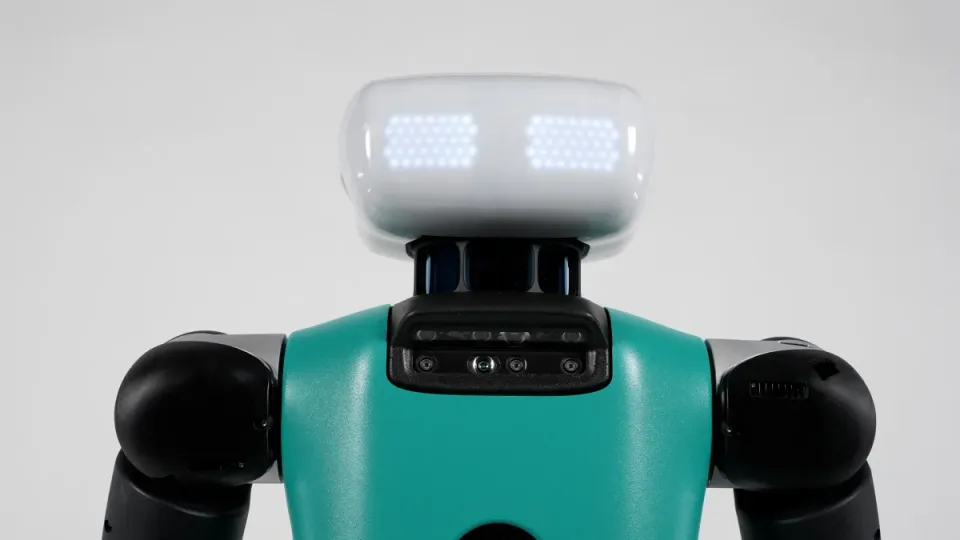
Agility Robotics $2.5B SPAC Merger Positions Digit as First US-Listed Humanoid Pure-Play
Agility Robotics announced on June 24, 2026, a definitive merger with Churchill Capital Corp XI that values the company at a $2.5 billion pre-money equity valuation. The transaction is expected to deliver more than $620 million in gross proceeds, including approximately $420 million from the SPAC trust and over $200 million via a PIPE led by Foxconn. Upon closing—targeted for late 2026—the combined entity will list on a major North American exchange under the ticker AGLT, marking the first US-listed pure-play humanoid robotics company with active commercial deployments.
This SPAC structure arrives at a pivotal moment for the humanoid sector. Agility’s flagship Digit robot is already operating in real warehouses and factories, logging more than 65,000 hours across customers including Amazon pilots, GXO logistics, Schaeffler automotive components, Toyota Motor Manufacturing Canada, and Mercado Libre. Backers such as Nvidia, Amazon, SoftBank, and Foxconn underscore institutional confidence in Agility’s approach to practical, task-specific automation rather than general-purpose spectacle.
Production Ramps and Fleet Economics
The deal injects capital precisely when Agility needs it most: scaling manufacturing. The company reports more than $300 million in committed multi-year orders for the next-generation Digit v5, largely tied to a three-year contract for 1,000 units from an undisclosed customer. These are not theoretical bookings; they reflect Robots-as-a-Service (RaaS) agreements that shift CapEx burden from end users to Agility while generating recurring revenue.
Fleet economics favor rapid adoption. Digit’s bipedal form factor allows it to navigate existing human-centric infrastructure without costly facility retrofits. Early deployments focus on repetitive material handling—tote transport, picking, and line-side replenishment—tasks that directly address labor shortages in logistics and manufacturing. Toyota’s post-pilot RaaS agreement highlights measurable efficiency gains and improved worker experience, key metrics for scaling beyond pilot programs.
Competitive Context: Figure, Tesla Optimus, Boston Dynamics, Unitree
Agility’s public listing differentiates it from private peers. Figure AI remains venture-backed with BMW and OpenAI ties but no public market scrutiny. Tesla’s Optimus program emphasizes in-house vertical integration and mass production ambitions, yet remains pre-commercial at scale. Boston Dynamics continues Atlas development under Hyundai ownership with impressive mobility demos but limited disclosed commercial volume. Unitree offers lower-cost quadrupeds and emerging bipeds primarily for research and inspection markets.
Agility’s edge lies in proven, revenue-generating deployments today. While competitors chase higher degrees of freedom or AI generality, Digit prioritizes reliability in structured environments. The $2.5 billion valuation reflects investor bets that real-world utilization data will drive valuation multiples ahead of pure R&D narratives.
Technical Breakdown
Architecture Digit employs a hybrid control stack combining model-based planning with learned policies for locomotion and manipulation. The platform integrates onboard compute for real-time decision-making, enabling operation without constant cloud connectivity.
Actuators and Sensors Series-elastic actuators in the legs provide compliance and force sensing critical for safe human-robot interaction. Vision systems fuse RGB-D cameras with IMU data for terrain mapping and object localization. End-effectors are task-optimized rather than fully anthropomorphic, prioritizing grip reliability for industrial totes and parts.
Limitations Current MTBF data remains limited in public filings; sustained 24/7 operation in dusty or high-cycle environments requires further validation. Payload and reach constraints limit Digit to lighter logistics tasks compared to heavier industrial arms. Energy autonomy on a single charge restricts shift lengths without hot-swapping or tethered charging infrastructure.
Unresolved Questions How will redemptions affect net proceeds? SPAC structures historically see significant shareholder exits; Agility negotiated a $200 million minimum cash floor. Post-listing, will quarterly reporting pressure accelerate or constrain long-horizon R&D? Finally, can Agility translate pilot success into multi-site fleet deployments exceeding hundreds of units per customer within 18 months?
Intelligence Outlook The AGLT listing crystallizes a new phase for humanoid robotics: public-market accountability meets real revenue. Success hinges on execution—hitting production milestones, maintaining uptime above 95% in customer fleets, and expanding the addressable market beyond warehouses into adjacent verticals. For investors tracking the Players pillar, Agility offers the clearest near-term window into humanoid fleet economics and scaling realities.
Sources
- https://techcrunch.com/2026/06/24/agility-robotics-plans-to-go-public-via-spac-in-a-2-5b-deal/
- https://www.wsj.com/finance/agility-maker-of-humanlike-robots-to-go-public-in-2-5-billion-spac-deal-62c3cb32
- https://www.agilityrobotics.com/content/agility-robotics-to-go-public-through-merger-with-churchill-capital-corp-xi
- https://www.therobotreport.com/humanoid-maker-agility-robotics-to-go-public-through-spac-merger/
- https://www.geekwire.com/2026/digit-maker-agility-robotics-to-go-public-in-2-5b-deal-heres-what-the-filings-say-about-its-finances/
Topics
Related articles
- Rohit Prasad Appointed Boston Dynamics CEO for Atlas Push — Boston Dynamics named Rohit Prasad, former Amazon Alexa and AGI leader, as CEO effective October 7, 2026. He replaces interim chief Amanda McMaster following Ro
- Hello Robot Stretch Wins $3M NIH Grant for Elder Care Dementia Support — Hello Robot received a nearly $3 million NIH grant to advance its Stretch mobile manipulator for older adults with mild cognitive impairment or early Alzheimer’
- BMW Leipzig Humanoid Robot Pilot Advances with Hexagon AEON — BMW Group has launched a pilot deploying Hexagon Robotics' AEON humanoid at its Leipzig plant for high-voltage battery assembly and component manufacturing. The
- Amazon Dobromierz Deploys 5,000 Robots in Polish Fulfillment Center — Amazon opened its 12th Polish fulfillment center in Dobromierz on September 21, 2026. The 200,000 m² four-story facility uses over 5,000 Amazon Robotics units a